The Impact of Declining Sales in Luxury Fashion
- News
24/10/2024
Luxury Fashion Faces Continued Challenges Amid Economic Shifts: Impact on Retail and Commercial Property Valuations
The global luxury fashion industry is grappling with significant challenges in 2024, as major players like Burberry, Hugo Boss, and Mulberry face declining sales and reduced growth forecasts. A recent report from HSBC indicates that 2024 could be the sixth worst year for the sector in two decades. Initially projected to grow by 5.5%, the forecast for the luxury market has been slashed to a modest 2.8%, underscoring the difficulties ahead.
Declining Sales in Luxury Fashion and Profit Warnings
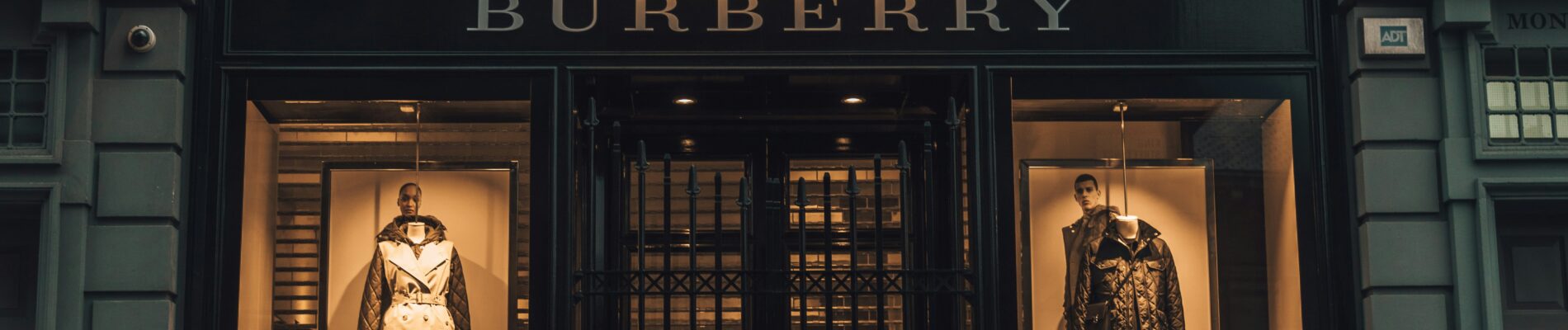
Luxury brands have been hit hard this year. Burberry’s shares plummeted by more than 16%, and Hugo Boss experienced a 7.5% decline after disappointing second-quarter results. Both brands are struggling in key regions like Asia and the Americas, where Burberry saw a 23% drop in sales and Hugo Boss a 3% decline. This mirrors trends at other luxury giants, with Richemont and Swatch Group seeing sharp declines, particularly in China. Richemont’s China sales have dropped by 27%, and Swatch Group’s overall sales are down 11%.
China’s economic slowdown is particularly concerning, given its pivotal role in luxury consumption. The country was responsible for nearly 16% of global luxury spending in 2023, but with GDP growth slowing and consumer demand diminishing, luxury brands are feeling the strain.
Economic Pressures in Key Markets
HSBC’s report links the luxury sector’s struggles to economic pressures in both China and the U.S., two of the industry’s most critical markets. Chinese consumers, despite having strong savings, are reluctant to spend, perhaps reflecting broader concerns about the country’s economic outlook, such as slowing exports and real estate market struggles. In the U.S., inflation and high interest rates have dampened consumer confidence, particularly among aspirational buyers who may have previously indulged in luxury items.
In Europe, consumers are exhibiting a cautious “wait-and-see” attitude, partly due to post-COVID price hikes. Many luxury brands have increased their prices, often beyond the rate of inflation, a phenomenon known as “greedflation,” which may have alienated some consumers and further exacerbated the sector’s difficulties.
Bright Spots: Prada and Hermès Lead the Way
Despite the broader challenges, not all luxury brands are struggling. Prada Group and Hermès have shown resilience, with Prada posting a 21% boost in retail sales during Q3 and Hermès recording a 10% increase. This polarisation highlights that while some brands are suffering, others are thriving, particularly those with strong appeal to younger consumers and Asian markets. Prada’s trend-conscious designs and Hermès’ timeless luxury are helping these brands navigate the current economic turbulence.
Impact on Commercial Properties and Fulfilment Centres
The decline in luxury fashion is having a ripple effect across related sectors, notably impacting the valuations of fulfilment centres and commercial properties let for fashion retail. As luxury brands tighten their belts, they may downsize retail operations, close underperforming stores, or shift more aggressively towards e-commerce. This could lead to reduced demand for physical retail spaces, particularly high-end flagship stores in prime locations, which could in turn lower the valuations of commercial properties in luxury retail zones.
Furthermore, the slowdown in luxury sales could also impact fulfilment centres that are tied to fashion retail. With fewer goods being moved through supply chains, fulfilment centres may experience lower demand, particularly those tailored to handling high-end fashion products. This could lead to a downward trend in the valuations of properties used for logistics and fulfilment in the luxury fashion sector.
Balancing Heritage and Innovation for Future Success
HSBC forecasts a rebound for the luxury sector in 2025, with growth expected to reach 7%, and potential for double-digit increases by Q2. However, for brands like Burberry and Mulberry, long-term success will hinge on their ability to innovate and evolve. While their heritage and classic styles have long been key to their brand identity, an over-reliance on these elements risks alienating modern consumers, particularly younger generations who seek more contemporary, innovative designs.
To regain momentum, luxury brands will need to strike a balance between honouring their rich histories and embracing new trends that resonate with today’s consumer preferences. Those that succeed will not only weather the current economic storm but also ensure that their commercial and retail properties remain valuable assets in the years to come.
As the luxury fashion market navigates these challenges, the knock-on effects on retail spaces, fulfilment centres, and the broader commercial property market will be closely watched. Brands that adapt successfully will continue to drive demand for premium retail locations and logistics centres, while those that struggle may contribute to a downward adjustment in property valuations across the sector.
Interested in how these challenges could impact your assets? Contact our industry experts >> Contact Us
Next Insight
Acquisition of Suttons Group to Schenk UK >>